Book Review: The Life That’s Waiting

Book: The Life That’s Waiting

AuthorBrianna Wiest, bestseller author and speaker

Key message of the book: The life we want often begins on the other side of fear, discomfort, uncertainty, grief and self-protection. With self-compassion and gentleness to ourselves, we arrive to a place where life feels fuller and richer.

Some favorite quotes:

“A life of meaning is one where you wake up each day excited for what is to be created, to be experienced, to be felt.”

“When you begin to see every one of those instances of inner knowing as tiny invitations to meaning, you begin to generate momentum. You get more and more inspired, because you feel more and more accomplished…[…] Rather than seeking the next milestone, the next bragging right, you began seeking the joy of tomorrow.”

“Happiness isn’t found; it’s forged.”

“You have to fill your life with what matters to you, even if it doesn’t make sense to anyone else.”

“Don’t shrink your life to meet your comfort zone; expand your vision to meet your standard.”

 “Sometime, we just need to rest and recalibrate, allow our bodies to go through a wintering season, allow ourselves to reconnect to our center.”

“… you begin to exist in a more peaceful equilibrium where you are excited to wake up in the morning and build. That’s the richest, most fertile ground of your entire life.”

“Sometimes, what we really have to reconcile is the false idea that we are not enough, not worthy, for the lives that are already ours or are about to be. Sometimes, we have to let go of the old patternings that tell us if life is not imbued with suffering and denial, it is not noble or realistic.”

“One of the things that most limits our capacity in life is the belief that any measure or degree of success or progress is akin to a house of cards, something that becomes more vulnerable as it grows. In reality, true success is more like adding legs beneath a table. The more you grow, the more stable you become.”

“You will learn that you can withstand more than you ever thought.”

“You will guide yourself through every heartache, every loss. You will also get to cherish every victory, every success, every resounding win.”

“The doors that are right for you will gently open – and you will not have to push or force them. Because the things that are behind them want you and need you as much as you want and need them.”

“Fear controls us when we invest more into the problem than the solution.”

“You can learn. You can use rock bottom as a clean state.”

“Live with palms wide open – what’s right will land and remain without your fists closing to keep it.”

“What you gather evidence for is what will appear most true. Gather evidence of your fortitude, your faith. Gather evidence of your strength, the way the road has always risen. If you don’t trust ahead, look to what’s behind. Remember, what you got you here will get you to whatever’s next.”

“When good things are trying to find you, I hope you let them. I hope that you leave room for things to turn out better than you had planned. I hope that you do not deny yourself happiness because you know how human you are, because you are most familiar with your rough edges, your mistakes, your past. I hope that when the sun is finally shining on you, you let yourself feel its warmth.”

Book Review: Energize

Book: Energize, Make the Most of Every Moment

AuthorSimon Alexander Ong, speaker, bestseller author, and podcaster

Key message of the book: “Energize” is a practical guide about energy management, as a fundamental skill and framework for life. It is energy more so than time management that shapes our outcomes and ultimately identity in life. Energy is contagious and is key to who we are and what we do every single day and on the long term. Understanding and protecting your energy comes with several practices like sleep hygiene, health and exercising, journaling and gratefulness that if applied consistently will unlock new levels of personal energy and meaning.

Quotes that I loved:

“When feeling energized, we become the chief architect of our future and there’s nothing that we feel we can’t overcome…Once we understand how to awaken, nurture and protect this energetic force, it will breathe life into what we feel is possible to accomplish during our time here on earth.”

“To live in energetic flow is to be connected to your true self with a focus on living a life of purpose and meaning.”

“Writing [journaling] creates this magical space around you where your soul gets to have a meaningful conversation with itself and allows you to get to know yourself better – your strengths, your weaknesses, your emotions, your priorities and where you currently are relative to where you would like to be.”

“You go on this expedition to hunt down happiness, but sooner or later we learn that happiness is not found outside ourselves; it’s found from within and it begins with gratitude.”

“A grateful heart is a magnet for joy and positivity”.

“When you live life with this deep feeling of gratitude, a galaxy of possibilities awaits and you discover yourself immersed in the breathtaking beauty of life like never before.”

“When you bring together a clearly defined vision with the act of visualization, you begin to live every moment in a state of absolute certainty that you will achieve it.”

“Your ability to reflect, make plans and then actually follow through on them will become one of the greatest skills that you will come to master.”

“The most powerful dialogue is the one that happens within yourself every day, because what consumes your thinking influences who you become.”

“You are going to face many challenges ahead, but when you understand how to awaken, protect and nurture your personal energy, you will possess the wisdom to unearth the lessons behind every single one of them so that you may come back stronger.”

“The truth is that for every challenge you face, there’s often a hidden blessing in disguise.”

“Be kind and forgive yourself when you make mistakes.”

“One tiny step forward each day snowballs into at least 365 steps forward in a year’s time.”

“The question is whether the dream means so much to you that you are willing to go after it for as long as it takes.”

“It’s never too late to begin again and rewrite your story with an ending that gives your life meaning.”

This book review by Growth Is A Journey is an invitation for readers to discover the book in its entirety.

Book Review: The Success Myth

Book: The Success Myth, Letting Go of Having It All

Author: Emma Gannon, speaker, bestseller author, and podcaster

Key message of the book: “The Success Myths” encourages readers to examine what is our modern world’s usual idea of success – more achievement, money, status, productivity and fame – and to embrace instead a success definition that is personal and shaped by a person’s unique values, relationships and a lifestyle that represents who that person is in an authentic fashion, free of any conditioning from society or social media.

The book is born from the author’s personal story of burnout and overworking.

Each chapter debunks a success myth with anecdotes from the author, some level of criticism and insights from other authors and researchers to support the author’s main point; and ends with pointy reflection questions for the readers.

The following success myths are presented in the book:

  • There is no success formula – that is universally reliable for all human beings – because there are many factors that shape a person’s success – including personal history, behavior, gifts, and sheer luck. “If someone acts as like they have the answers to what you should do with your life, be wary of them”. Emma goes on and notes “we can spend our entire lives trying to work out other people’s success formula – or we can try a new formula, our own formula – which is doing our very best with what we have and finding ways to enjoy ourselves along the way.” There are, however, qualities and behaviors, that can be consistently observed in successful people – and their mindset can be summed up as “they believe in the path they are taking”.
  • The happiness myth – a never ending and permanent state of happiness does not exist, in part due to our primitive human brain that wants to protect us by over-reacting to perceived dangers: “Many of us have the idea that one day we will crack the happiness code, that once we make it, we will reach an everlasting state of contentment.” Not running away from negative emotions and accepting them is avoiding a happiness trap that would prevent us from embracing the temporary joys in life: “If we can’t be happy right now in whatever way possible, we won’t be happy if all the things we ever wanted fall into our laps.” Forcing happiness or looking at happiness as a test that we need to pass is toxic positivity and out of touch with the reality of the wide range of human emotions.
  • The productivity myth – working hard is a virtue unless when it leads to burnout, excessive stress or nervous breakdown: “Rest feels like an act of rebellion in a world that doesn’t want us to stop.”; “For a lot of us, we were praised as young children for how much we worked, and our hard work was seen as the value we brought to the world, so as adults we build a codependent relationship with productivity. The challenge now is to see our inherent value outside of what we produce in a capitalist world that wants to take, take, take.” To escape this myth, Emma is recommending developing rest as a skill and considering process goals in addition to milestone goals. For instance, “running a marathon” is a milestone goal, but “enjoying training for a marathon” is a process goal. “As a society, we need to embrace the art of rest, and as individuals we can start to set better boundaries and see our value outside of our output. Only then can we truly enjoy the process of achieving our goals.”
  • The “You are not your job myth” – a job is something you do that shouldn’t define your identify, purpose or worth. “Untangling ourselves from our work selves is quite the task, because work makes up such a large, and important, proportion of our lives.” – “When we wrap ourselves up so tightly in our work, we are in danger of losing important parts of ourselves” and neglecting important people or aspects of life like health and family. Creating more boundaries between work and home preserves a sense of self and balance that is conducive to feeling fulfilled.
  • The celebrity myth – a celebrity status is not a reliable model for success with so many examples of celebrities feeling lonely and unhappy. “Status brings validation, and it’s natural that we’re all seeking that. We want to be seen, understood and recognized.” However, internal validation and being appreciated by the people in your life are a lot more important for a fulfilled life: “We don’t need to chase outward markers of success or status in a big way to feel seen, as there are so many other ways to feel authentically appreciated and validated. The first step is seeing ourselves. Not through a lens, not through the eyes of thousands of followers, but really, truly seeing ourselves for who we are, and understanding what matters to us. Validating ourselves first is an important but overlooked part of building an authentic sense of status. When we crave the approval of others, really, we are craving our own approval.” ” The key is building recognition on your own terms, having good boundaries and feeling appreciated by the people in your life, not strangers on the other side of a screen.”
  • The money myth – money helps with security and solving problems, but chasing money for the sake of financial success does not guarantee security, fulfillment or a better life. “Your time is also a currency. Your energy is a currency. Your mental wellbeing is a currency.”
  • The ambition myth – ambition is not a problem, until we push ourselves beyond the limits of our bodies and ignore our true needs, which can lead to burnout and self‑abandonment. “We can have big dreams, but we don’t need to burn ourselves out to get there.” We can be “ambitious for a better life. Ambitions for a healthier life. Ambitious on our own terms.”
  • The checkbox myth – ticking the box of certain traditional life milestones – like getting married, buying a house, having kids, or having a certain income – is not a guarantee for a fulfilled life. As per the author, there is no single path to adulthood or success, and we should attain any life milestone without the pressures of society, families or peer comparison.

  • The arrival myth – success is not a finish line we arrive to. “There is an assumption that once we reach a big life or career goal, we will finally be version 2.0 and we will stay there. You will feel different, better. Then the disappointment sets in. We realize the fictional ‘destination’ doesn’t exist.” The author is discouraging from banking happiness on a “future” state or goal – “A lot of enjoying life in the moment is about patience, and the ability to be OK with where we are right now.”

In summary, “The Success Myth” is about being OK with not having it all and responding to a critical question with honesty: “How much is your current version of success costing you? If it’s costing you too much, what, if anything, are you prepared to give up?” The answer does not mean giving up to everything or to, too much, it’s finding your own equation for success: “Enjoy the ride, enjoy your success, whatever that means for you.”

Book Review: Essentialism

Book: Essentialism, The Disciplined Pursuit of Less

Author: Greg McKeown, speaker, bestseller author, and podcaster

Key message of the book: Essentialism is a practical and insightful guide about a lifestyle and mindset, defined by making the wisest choices – at all times – in terms of how we spend our limited time and energy:

“The life of an Essentialist is a life lived without regret. If you have correctly identified what really matters, if you invest your time and energy in it, then it is difficult to regret the choices you make. You become proud of the life you have chosen to live.”

As per the author, the essentialism is not about getting more things done nor about doing less for the sake of doing less – it is about operating “at our highest point of contribution by doing only what is essential”.

The core mindset of an essentialist is doing “the right thing the right way at the right time”.

The core truths of an essentialist are: “I choose to”,Only a few things matter“, and “I can do anything but not everything”.

Essentialists understand that:

  • We all have the ability to choose, and we need to heighten our awareness to such ability. When we forget this core truth – our ability to choose- “drip by drip we allow our power to be taken away until we end up becoming a function of other people’s choices – or even a function of our own past choices.”
  • There are always trade-offs to make: “As painful as they can sometimes be, trade-offs represent a significant opportunity. By forcing us to weigh both options and strategically select the best one for us, we significantly increase our chance of achieving the outcome we want.”
  • We can live a life by design vs by default – by distinguishing “the vital few from the trivial many”, and by removing “obstacles so the essential things have clear, smooth passage.” The result of such discipline – of saying no to some choices, of choosing wisely, of eliminating nonessentials – is living “a life true to yourself, not the life others expect from you“: “Everything changes when we give ourselves permission to be more selective in what we choose to do.”
  • We need to create space to think, explore, and recharge. Sleep, for instance, is a necessity and a priority to achieve the highest levels of mental contribution.
  • We need to be ultra selective: “If it isn’t a clear yes, then it’s a clear no”. An essentialist applies tougher criteria for decision making. For instance, the “90 percent rule” means applying the single most important criterion for a decision and give each option a score between 0 and 100. Any option rated lower than 90% gets eliminated.
  • We need to be intentional about our choices and such clarity brings breakthroughs and focus on the right things and people in our lives: “Creating an essential intent is hard. It takes courage, insight, and foresight to see which activities and efforts will add up to our simple point of contribution. It takes asking tough questions, making real trade-offs, and exercising serious discipline to cut out the competing priorities that distract us from our true intention. Yet it is worth the effort because only with real clarity of purpose can people, teams and organizations fully mobilize and achieve something truly excellent.
  • We need to learn to say no and set boundaries as often as necessary. Saying no is hard because it’s engrained in our human wiring to depend on others – when our survival was tied to belonging to a tribe, hunting together for food: “Nonessentialists say yes because of feelings of social awkwardness and pressure. They say yes automatically, without thinking often in pursuit of the rush one gets from having pleased someone. But Essentialists know that after the rush comes the pang of regret. They know they will soon feel bullied and resentful -both at the other person and at themselves. Eventually they will wake up to the unpleasant reality that something more important must now be sacrificed to accommodate this new commitment.

In summary, eliminating, condensing, limiting, cutting, reducing are ways of Essentialists. When these things happen, Essentialists have time and energy to perfect execution for what is very important in their lives. They do that by practicing extreme and early preparation, starting small and building momentum towards their goals, staying focused on making progress, and celebrating acts of progress – all in what becomes a regular routine -perfected with practice – for long term success: “The Essentialist designs a routine that makes achieving what you have identified as essential the default position. Yes, in some instances an Essentialist still has to work hard, but with the right routine in place each effort yields exponentially greater results.”

Essentialists fundamentally understand two powerful truths:

(1) “of all forms of human motivation the most effective one is progress”

(2) there is only now, meaning being tuned in and doing what is important – right now, not in the past and not in the future.

Over time, with practicing making the wisest possible choices of time and energy, essentialism becomes a way of life that brings meaning and purpose.

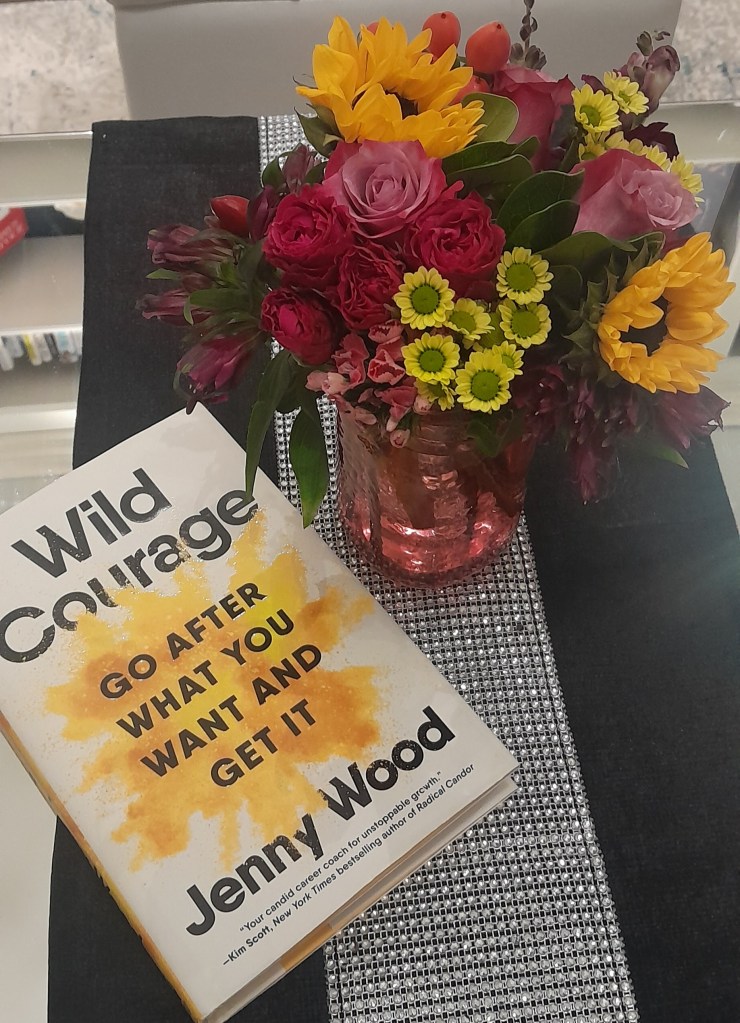
Book Review: Wild Courage

Book: Wild Courage, Go After What You Want And Get It

AuthorJenny Wood, a former successful executive at Google, and a speaker and writer on leadership development

Key message of the book: “Wild Courage” is an easy-to-read book, written with a clear purpose to fuel your personal and professional growth ambitions. With a lot of anecdotes and funny stories from her own life and career, the author is reframing nine negatively labeled traits into skills to develop to achieve success.

Each of these nine traits is defined by the author with the word “courage”:

  • Weird is “the courage to stand out”.
  • Selfish is “the courage to stand up for what you want”.
  • Shameless is “the courage to stand behind your efforts and abilities”.
  • Obsessed is “the courage to set your own standard”.
  • Nosy is “the courage to dig deeper”.
  • Manipulative is “the courage to influence others”.
  • Brutal is “the courage to protect your time and energy”.
  • Reckless is “the courage to take calculated risks”.
  • Bossy is “the courage to listen and lead”.

Courage is presented as key to success: “Successful people take action despite their fear. They muster the courage to do what’s necessary to succeed before it’s encouraged by others -or even considered socially acceptable.”

Each trait is defined in a new perspective, a constructive and positive one, in a way that makes it clear why such trait is necessary to get what we want in life.

  • Weird is owning your greatest strengths and being authentic about them “instead of second-guessing yourself out of desperation to fit in.”
    • “It’s about being yourself and revealing that self appropriately, both in your resume and everywhere else.”
    • “Figuring out who you are – how you think and solve problems, what you enjoy and dislike, the values that matter most -is essential in (a) deciding what to chase in life and (b) actually catching in.”
  • Selfish is the courage to “champion your agenda at least as strongly as you champion the needs of others.”
    • “Fighting for yourself just as enthusiastically as you fight for your friends and colleagues.”
  • Shameless is “no more apologizing for who you are and what you can do”. While shame is “a normal and healthy reaction”, “applying shame’s energy to finding a solution brings relief. Taking action tells your brain that you’re solving the problem. It’s the lingering shame that has to go.”
    • “Shame doesn’t care what you’re saying or asking. It just wants you quiet, inoffensive, invisible -“safe”. Opening that big mouth habitually builds that shameless muscle.”
  • Obsessed is having the inner drive to excel. “When you’re obsessed, you find the discipline to get out of your own way” and adopt a growth mindset where everything can be learned: “I’m not the leader I need to be yet”, while taking care of your physical and mental health and having proper boundaries.
    • “Obsession derives from two convictions: (1) that what you want matters and (2) that you can achieve what you want with sufficient effort.”
    • “You will never grow and evolve without pushing yourself to do the hard, careful and deliberate work that tests the limits of your capabilities.”
  • Nosy is letting curiosity be a compass, without being too aggressive, obnoxious or disrespectful in interactions with others.
    • “Ask [questions] politely, prioritize the mutual win and act on what you learn”.
    • “Answer questions with the same degree of vulnerability, authenticity and candor you expect from others.”
  • Manipulative is not about using others but “being influential, inspiring, motivating and persuasive” by adding positive energy in any room – in a truthful and authentic way.
    • “Warmth isn’t being complicated. It can be as simple as framing a neutral message in a more positive way.”
  • Brutal is being “direct, clear and consistent with your words and actions.”
    • “To achieve your goals, you must commit to spending your time and energy in accordance with your true priorities, no matter how painful it sometimes feels.”
    • “Brutal frees up time, energy and mental bandwidth”.
  • Reckless is to “err on the side of action”.
    • “You can seek perfection or progress. Not both. And, unlike perfection, progress is possible.”
    • “To the fragile ego, any failure is unacceptable. Successful people fail far more than most people do.”
  • Bossy is about being a “genuine boss: an empathic, supportive, yet decisive leader who knows when to speak up and when to listen, when to let the team figure a problem out themselves, and when to step in with help and a fresh perspective.”
    • “Use your power responsibly”.

This book review by Growth Is A Journey is an invitation for readers to discover the book in its entirety.

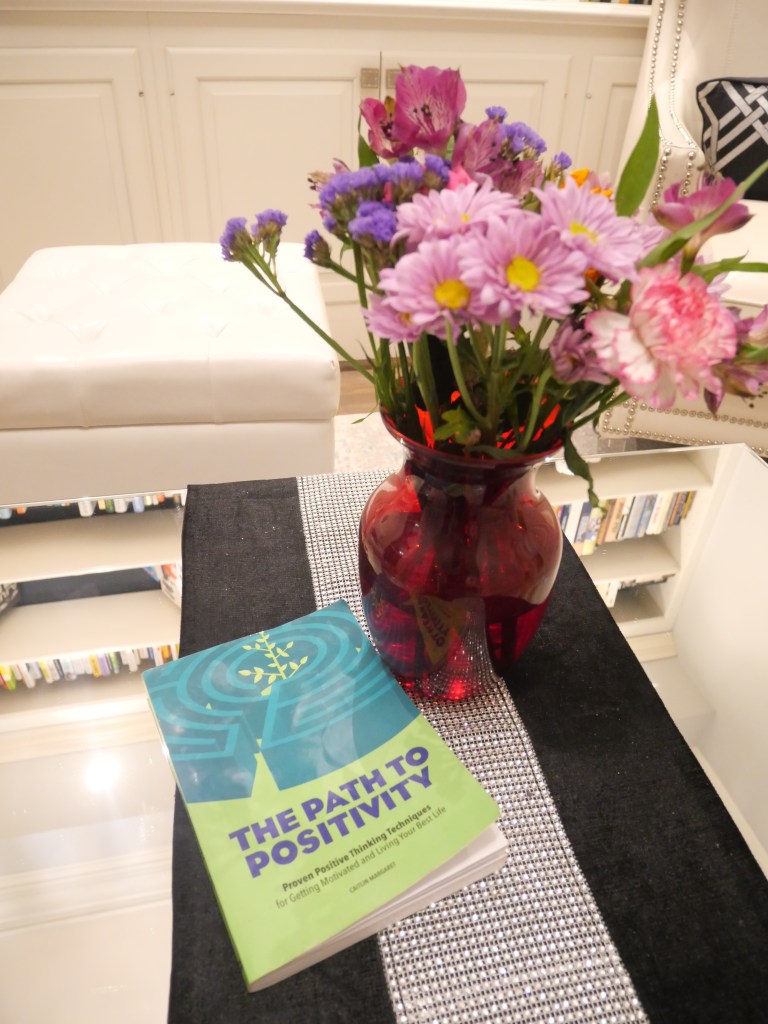
Book Review: The Path To Positivity

Book: The Path To Positivity, Proven Positive Thinking Techniques for Getting Motivated and Living Your Best Life

AuthorCaitlin Margaret

Key message of the book: The Path To Positivity is a practical, well-researched and insightful guide for developing a positive mindset, with all its benefits such as better mental and physical health, and more successful life outcomes. As per the author, positivity is not forcing a smile at all times. True positivity is the result of consistent practices such as challenging our negative thought patterns, cultivating mindfulness and gratitude, and embracing imperfection, self-care and self-compassion. Caitlin further posits that positivity is not developed overnight or to perfection; it is a continuous journey that reminds us of our imperfections and humanity – “Every deep breath, every consciously created thought, every choice you make to try again after failure, every positive emotion you share with another person is evidence that you are capable of creating a positive life“.

One favorite quote from the book: 

“You find positivity not by achieving every desire you’ve ever had or optimizing every moment of your life, but by realizing who you are on the deepest level: a Wise Mind, rooted in important values, learning and growing from every experience, cultivating the thoughts, emotions, and behaviors that support you along the way.”

This brief book review by Growth Is A Journey is an invitation for readers to discover the book in its entirety.

Book Review: Helping People Win at Work

Book: Helping People Win at Work, A Business Philosophy Called “Don’t Mark My Paper, Help Me Get An A”

Author: Ken Blanchard and Garry Ridge

Key message of the book: Performance review systems can be burdensome, and managers are often compelled to assess employees on a normal distribution bell-shaped curve – with poor, good and high-performance levels. The book describes a different approach to performance review, one that stands out as effective, transparent and a catalyst for high performance for ALL employees.

The proposed framework is rooted in a business philosophy called “Don’t Mark My Paper, Help Me Get An A“. The approach is compared to a teacher who, instead of grading his/her students at the end of the course, he/she supports students by sharing the final exam at the beginning of the course, then supports their learning with the aim that all students get an A, with teaching, coaching and ongoing assessment throughout the semester. For leaders in an organization, this philosophy for performance review translates into:

  • Managers sitting down with their employees to set expectations and goals at the beginning of each year
  • Consistent coaching, feedback and re-direction in day-to-day and weekly interactions and execution plans – while affirming or re-affirming the employee’s potential to get an A
  • Regular (quarterly if possible) reviews to assess gaps, confirm progress and goals and values alignment

In this system, an employee’s performance level is the direct responsibility of his/her manager – and manager is bound to provide regular feedback – “with candor and care” – to help his/her employee get an A at the final performance evaluation. This approach puts more responsibility on the manager helping his/her employees and making sure feedback and support are provided first, before concluding if an employee is ready to be shared with competition as he/she cannot get an A: “If our culture of candor, caring, accountability and responsibility doesn’t work for you, let’s share you with the competitor.

This framework enhances what true leadership is as the book authors highlight: “At its best, leadership is a partnership – one that involves mutual trust and respect between two people who work together to achieve common goals. When that occurs, both leader and direct report have an opportunity to influence each other. Both parties play a role in determining how things get done. In other words, it’s all about we, not me.”

The book overall reinforces what many high performing leaders and managers do and believe: a successful performance review system is one that incorporates clear communication of and alignment in goals, values and expectations from the beginning (Q1 of a year for instance) and is followed with regular feedback and touchpoints throughout the year for an employee to successfully meet his/her performance goals.

One specific learning from the book:  Candor and caring” are needed for feedback to be effective. Caring is defined as “behavior that demonstrates your concern about the person’s development, professionally and personally” while candor is about being honest with a person about his/her performance. “With caring, you get to make deposits in your emotional bank account with a person“, while negative feedback always hurts, acting as a withdrawal in the emotional bank account with that person. The authors point to how such pain is short lived and turns into a “Learning moment” if the emotional bank account is balanced.

One favorite quote from the book: 

“The key to developing people is to catch them doing something right.”

Bonus resource: Another book review of the book

This brief book review by Growth Is A Journey is an invitation for readers to discover the book in its entirety.
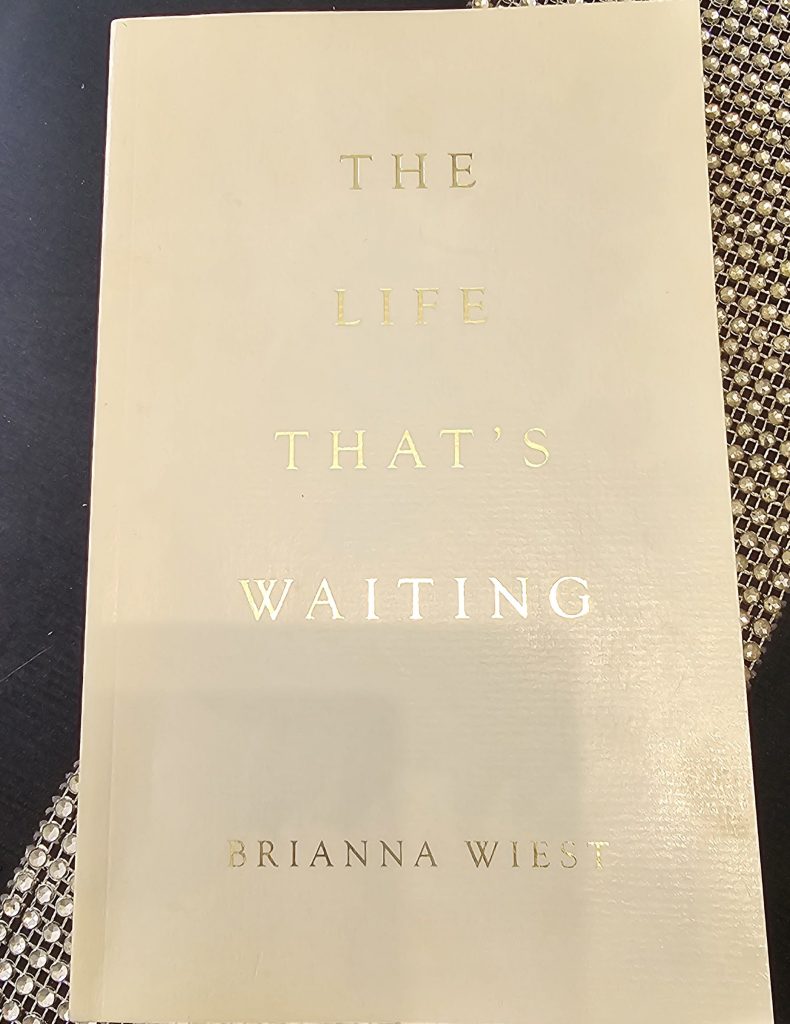
Book Review: Don’t Believe Everything You Think

Book: Don’t Believe Everything You Think, Why Your Thinking Is The Beginning & End of Suffering

AuthorJoseph Nguyen

Key message of the book: The story of our human suffering is directly tied to our thinking. This is because our thinking ultimately determines our feelings. The same experience or event can be perceived in significantly different ways by two individuals, based on the meaning each individual has assigned to it. We have the power to move from a state of suffering to a state of being happy, peaceful and free by paying attention to our thinking and reducing it. The more we are in a state of non-thinking – which is akin to being in a state of flow – the longer we experience our natural state of being which is joy, love and peace: “The reason thinking destroys is because as soon as we begin to think about the thoughts, we cast our own limiting beliefs, judgements, criticisms, programming, and conditioning onto the thought, thinking of infinite reasons as to why we can’t do it and why we can’t have it.” The framework to reduce our human suffering is to catch ourselves in our thinking/suffering, and let ourselves guided by our intuition or inner wisdom to “expand our consciousness and experience a deeper feeling of love at all times, which comes from a state of non-thinking.”

One specific learning from the book:  Based on the same principle of non-thinking, there are two types of goals: goals created out of inspiration, which feel expansive, uplifting, light and energizing; and goals created out of desperation, which feel heavy, draining, confining and empty.

One favorite quote from the book: We can only feel what we are thinking“; ” We’re only ever one thought, one insight, and one idea away from living a completely different experience of life.”

One favorite passage from the book: 

“Buddhists say that anytime we experience a negative event in our lives, two arrows fly our way. Being physically struck by an arrow is painful. Being struck by a second emotional arrow is even more painful (suffering). The Buddha explained, “In life, we can’t always control the first arrow. However, the second arrow is our reaction to the first. The second arrow is optional.”

Growth Is A Journey book review is intended to represent 1-2 key nuggets of insights from the book, with an invitation for readers to discover the book in its entirety.
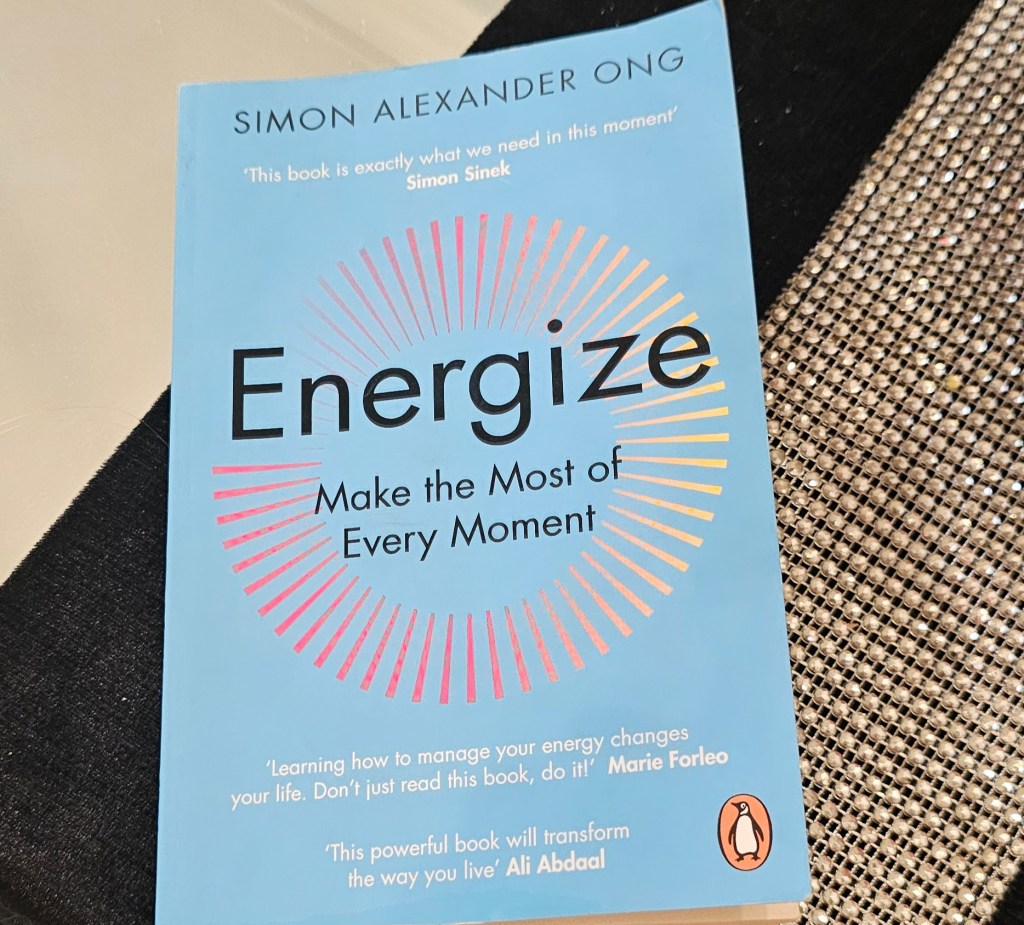
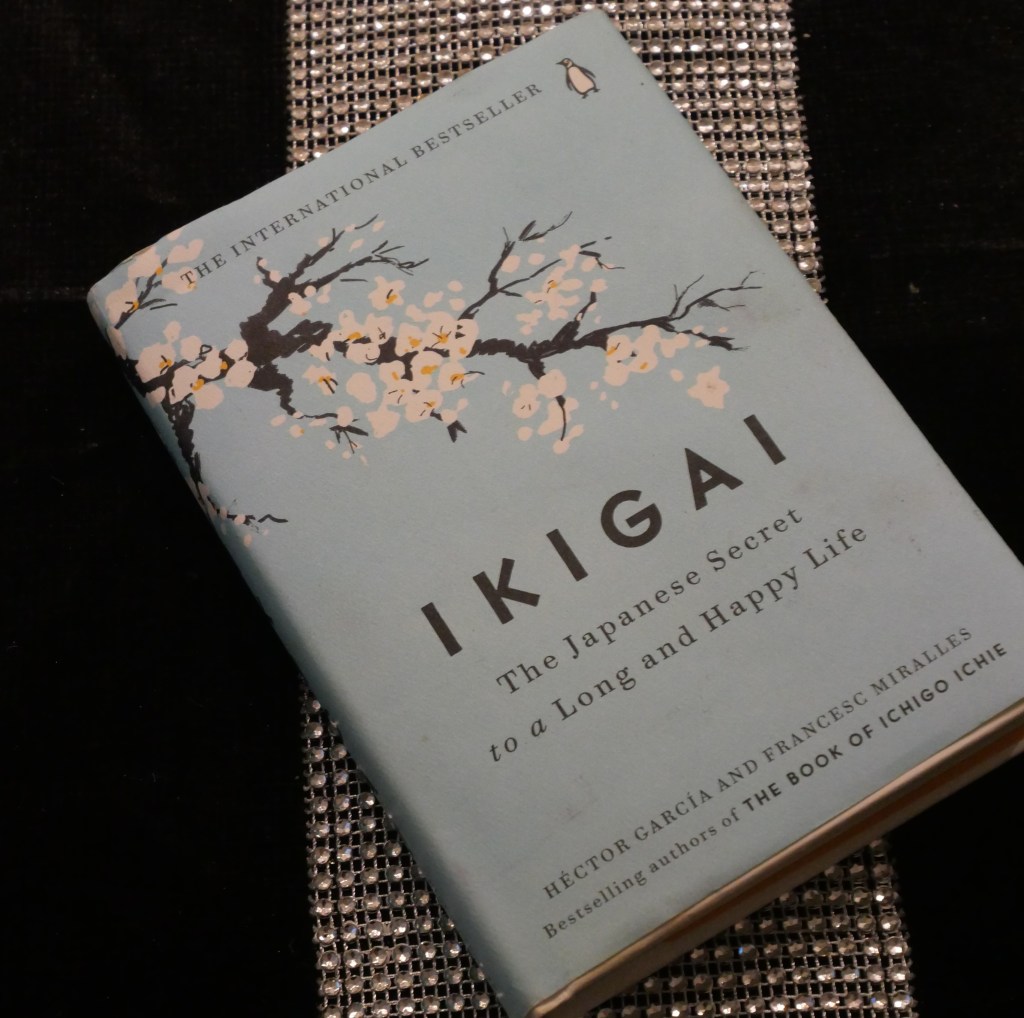
Book Review: Ikigai

Book: Ikigai, The Japanese Secret to a Long and Happy Life

Author: Hector Garcia and Francesc Miralles

Key message of the book: The book is focused on capturing the Japanese concept of Ikigai, which can be translated as “a reason for living” or “the happiness of always being busy“. Ikigai is associated with living a long (and fulfilled) life, as demonstrated by the extraordinary longevity of residents of the Okinawa Island of Japan, one of the world’s Blue Zones with the largest population of centenarians.

The authors went on a search to document the lifestyle of Okinawans and discovered that Ikigai was a core component of their longevity, in addition to: maintaining a healthy diet or Okinawa’s miracle diet (with antioxidants-rich food and drinks like green tea and white tea, fish and many fruits and vegetables, and a principle to eating less than our hunger might demand or the 80% rule), practicing low-intensity physical activity (like yoga and tai chi), and keeping close bonds within their local communities.

Ikigai is to be seen as “the reason we get up in the morning” and should be found or discovered at the intersection of our passion, mission, vocation and profession – by addressing the following questions: What we love, What we are good at, What we can be paid for, and What the world needs.

Our ikigai is to be discovered and preserved:

  • Finding our own unique ikigai involves identifying when we are in a state of flow or “optimal experience”, defined further by psychologist Mihaly Csikszentmihalyi as “the state in which people are so involved in an activity that nothing else seems to matter; the experience itself is so enjoyable that people will do it even at great cost, for the sheer sake of doing it.’ Flow is therefore a clue to our ikigai – “keep busy by doing things that fill you with meaning and happiness” – and a key ingredient for happiness: “The happiest people are not the ones who achieve the most. They are the ones who spend more time than others in a state of flow.”
  • Preserving our ikigai requires resilience to weather adversity and overcome setbacks: “The more resilient we are, the easier it will be to pick ourselves up and get back to what gives meaning to our lives.” Going beyond resilience is antifragility, the ability to “get stronger when harmed“.

One specific learning from the book:  Two additional Japanese concepts interlinked to ikigai are wabi-sabi and ichi-go ichi-e. Wabi-sabi means “the beauty of the fleeting, changeable and imperfect nature of the world around us“. Ichi-go ichi-e means “this moment exists only now and won’t come again.” By focusing on the present and appreciating the beauty of imperfection, we can remain guided by our ikigai in our day to day lives.

One favorite quote from the book: “When we spend our days feeling connected to what is meaningful to us, we live more fully; when we lose the connection, we feel despair.”

One favorite passage from the book: 

Once you discover your ikigai, pursuing it and nurturing it every day will bring meaning to your life. The moment your life has this purpose, you will achieve a happy state of flow in all you do, like the calligrapher at his canvas or the chef who, after half a century, still prepares sushi for his patrons with love.”

Addit

Growth Is A Journey book review is intended to represent 1-2 key nuggets of insights from the book, with an invitation for readers to discover the book in its entirety.
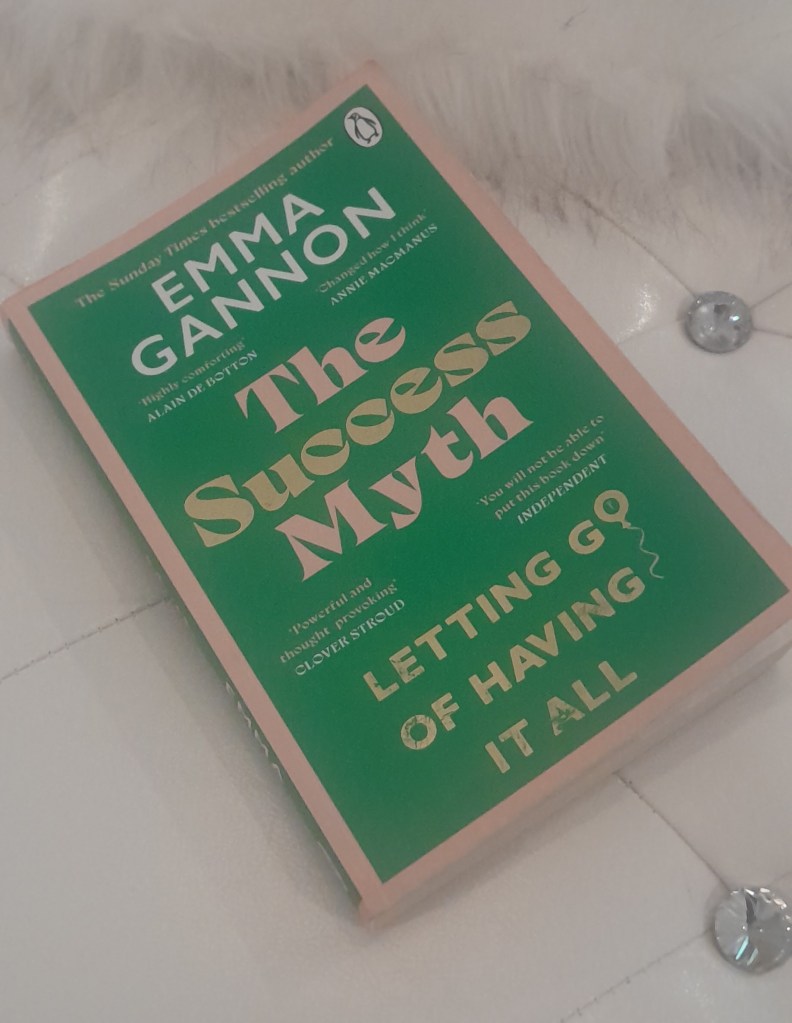
Book Review: The How Of Happiness

Book: The How Of Happiness, A New Approach to Getting the Life You Want

Author: Sonja Lyubomirsky, professor of psychology at the University of California with Ph.D. in social psychology from Stanford University; https://thehowofhappiness.com/

Key message of the Book: Higher levels of happiness are achievable because – based on research – 40% of our happiness is determined by our intentional activity or behavior, while 50% is influenced by our genetic makeup and only 10% by our life circumstances. This means that 40% of our happiness is within our ability to control through “what we do in our daily lives and how we think.” Our circumstances (e.g. rich or poor, healthy or sick, married or single, getting promoted, moving to a different city or country…) -which are often mistakenly believed to make a huge difference in our lives – don’t create lasting happiness primarily due to a phenomenon called hedonic adaptation – the ability of “human beings to adapt to favorable changes” to the point that these circumstances will no longer provide the happiness boost they once provided. Furthermore, even if we are born with a lower set point for happiness due to our inherited genes, there are strong reasons and perks to undertake some “happiness work”: “In becoming happier, we not only boost experiences of joy, contentment, love, pride and awe but also improve other aspects of our lives: our energy levels, our immune systems, our engagement with work and with other people, and our physical and mental health.” Based on research, happy people are also “better leaders and negotiators and earn more money”; they also live longer.

With 40% of our happiness being driven by our behavior, the author documents several “happiness boosting” activities that an individual can undertake to increase his/her happiness level. An effective “happiness strategy” takes into account each individual’s strengths, weaknesses, values, needs and lifestyle such that practices that are a better fit and come more naturally to that individual are being pursued: e.g. someone might get a higher happiness boost from a walk in nature or a party with friends versus committing himself/herself to a gratitude journal or reading a book. The fit could be identified by what comes more easily or naturally to someone, at least at the beginning.

Happiness-increasing activities, detailed in the book with associated practices and documentation on their proven effectiveness based on numerous studies conducted or researched over the author’s 15-year research career, include:

  • expressing gratitude
  • cultivating optimism
  • avoiding overthinking and social comparison
  • nurturing and investing in relationships
  • learning to forgive
  • increasing flow experiences
  • savoring life’s joys
  • taking care of your body and soul, via meditation, physical activity, and spiritual or religious practice.

The key in becoming happier – activating the 40% of happiness that is within our control – is to commit to and implement happiness practices like the above. These activities boost positive emotions and positive experiences which ultimately increase our happiness level. This is because “Happiness is not out there for us to find. The reason that it’s not out there is that it’s inside us…. […] …happiness, more than anything, is a state of mind, a way of perceiving and approaching ourselves and the world in which we reside.

Another key to becoming happier is to vary these happiness-boosting practices such that they yield most benefits and avoid us moments of frustration or boredom: “A crucial method of maximizing the impact of an activity is to attend to its variety. So sprinkle a little of this and a little of that, revivify your happiness strategies on a regular basis, surprise yourself sometimes. Regard happiness as an adventure, full of enterprise, developments, and detours.”

One specific learning from the book:  Cultivating optimism is one happiness activity the author recommends. One specific practice for cultivating optimism involves writing a narrative description of your “best possible future self” across all or specific areas of your life on a regular basis. Journaling about your best future self helps gain insights into your own goals, needs, and builds momentum and motivation to achieve your dreams, and be a happier person.

One favorite quote from the book: “The fountain of happiness can be found in how you behave, how you think, and what goals you set every day of your life – there is no happiness without action.”

One favorite passage from the book: “….some people associate happiness-enhancing strategies with people who seem to be too cheery and blissed out to be real….Above all, understand that there are many faces of happiness aside from the ubiquitous smiley face and the inspirational poster. The face of happiness may be someone who is intensely curious and enthusiastic about learning; it may be someone who is engrossed in plans for his next five years; it may be someone who can distinguish between the things that matter and the things that don’t; it may be someone who looks forward each night to reading to her child. Some happy people may appear outwardly cheerful or transparently serene, and others are simply busy. In other words, we all have the potential to be happy, each in our own way.”

Additional resources: https://www.psychologytoday.com/intl/blog/how-happiness

Growth Is A Journey book review is intended to represent 1-2 key nuggets of insights from the book, with an invitation for readers to discover the book in its entirety.
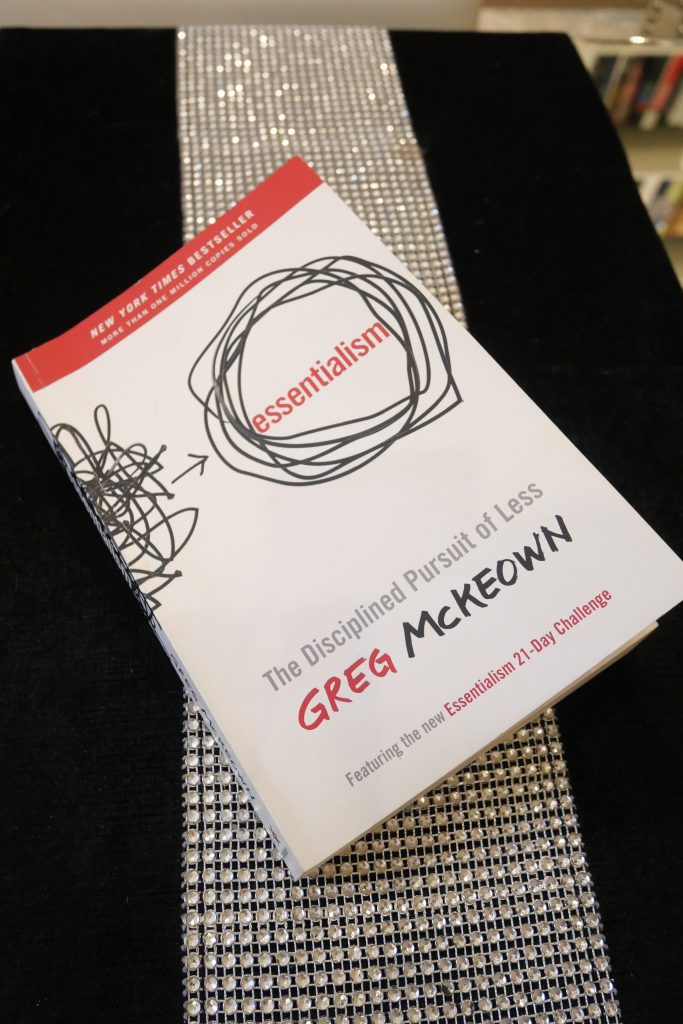
Book Review: Time Management In 20 Minutes A Day

Book: Time Management In 20 Minutes A Day – Simple Strategies To Increase Productivity, Enhance Creativity, and Make Your Time Your Own

Author: Holly Reisem Hanna

Key message of the Book: Time management is not a “fit-for-all” set of systems, tools and disciplines. Finding the right practices and tools involves a lot of experimenting, as the author discovered in her own life. The book is a quick read with simple strategies that helped author Holly Reisem Hanna to increase her productivity, creativity and overall well-being as a busy mom and entrepreneur. Holly’s strategies include:

  • Setting daily goals & 30-minute time blocking for all daily activities (especially when we all tend to under-estimate the time needed to complete a task), starting with highest priorities.
  • Reduce digital distractions that could lead to mindless scrolling and un-necessary fear of missing out.
  • Evaluate priorities on a regular basis by doing brain dumps, re-assessing what’s urgent versus non urgent, a short-term versus a long-term goal, and assigning realistic deadlines to all.
  • Simplify, declutter, delegate, batch, and automate whenever and wherever possible.

One specific learning from the book:  Two items worth highlighting are:

  1. Time blocking: the author recommends 30-minute blocks with each “day’s errands, appointments and must-do tasks, starting with your highest priorities”. The strategy is effective because “having a scheduled time for each task lets you know exactly how much you can realistically take on each day, making it easier to accomplish each task.” The practice is presented as something that could be done at the end of each day for no longer than 10 minutes.
  2. “Stop doing” list: in addition to a to-do list, the author is also recommending a “stop doing” list to identify habits, activities and tasks that should be let go off: ” When you get crystal clear on what you don’t want in your life, you become more focused on the things that you do want.”

One favorite quote from the book: “You only get one chance with time; once it’s used up, it’s gone forever.”

One favorite passage from the book:

“When it comes to perfection, the bottom line is this: Stop putting unnecessary pressure on yourself to achieve some unattainable standard. Give yourself and others grace and consider how you feel and what you want to be remembered for – then learn to let the rest go. You are the only one who gets to decide what is a priority in your life and what is not. Do not let an unrealistic mind-set or someone else’s definition of success dictate your task list or your sense of well-being!”

Growth Is A Journey book review is intended to represent 1-2 key nuggets of insights from the book, with an invitation for readers to discover the book in its entirety.
Book Review: Emotional Intelligence 2.0

Book: Emotional Intelligence 2.0

Author: Dr. Travis Bradberry & Dr. Jean Greaves

Key message of the Book: Emotional intelligence is a critical skill that anyone should be looking at strengthening with research and numerous studies having found it to be “the single predictor of performance in the workplace and the strongest driver of leadership and personal excellence” as per the authors Dr. Bradberry and Dr. Greaves.

Emotional intelligence is defined as the set of four skills – self-awareness, self-management, social awareness and relationship management – grouped around two competencies: personal competence and social competence.

  • Personal competence is “your ability to stay aware of your emotions and manage your behavior and tendencies.”
  • Social competence is “your ability to understand other people’s moods, behavior and motives in order to improve the quality of your relationships.

The four above-mentioned emotional intelligence skills can be expanded by applying specific strategies. For example:

  • Self-awareness is the ability to “accurately perceive your own emotions in the moment and understand your tendencies across situations” and can be improved by a number of strategies including allowing yourself to feel both negative and positive emotions, keeping a journal about your emotions, understanding and tracking the source of your feelings and triggers, revisiting your values and whether your emotions and behavior are in line with these values, observing the effect your emotions have on others around you, and seeking feedback from others. As we can’t escape our emotions – “your hard-wired emotional reactions to anything come before you even have a chance to respond” – we can only strive to become more self-aware.
  • Self-management: is the ability to “use your awareness of your emotions to stay flexible and direct your behavior positively” or “to actively choose what you say and do” and can be improved by strategies such as deep breathing, making your goals public, sleeping on a situation before taking action, setting aside time in your day for problem solving and thinking, taking control of your self-talk, visualizing yourself succeeding, and building good sleep habits.
  • Social awareness: is the ability to “accurately pick up on emotions in other people and understand what is really going on with them.” Good strategies for expanding your social awareness include greeting people by name, watching body language, and practicing listening and empathy.
  • Relationship management: is the ability to “use your awareness of your own emotions and those of others to manage interactions successfully” and can be expanded by being open and curious, acknowledging other person’s feelings, sharing feedback, showing care, increase transparency on your decision-making, providing constructive and direct feedback, aligning your words and actions with your intent, and taking the high road when entering tough conversations.

One specific learning from the book:  If there is misalignment between your emotions and your words, you could be in a situation where you might be sending a mixed signal that can cause mistrust or confusion in a relationship. The authors explain how the best way to deal with this is to “use your self-awareness skills to identify your emotions and use your self-management skills to decide which feelings to express and how to express them“. At times, “the best bet is to explain what’s happening (i.e. “If I seem distracted, it’s because I can’t stop worrying about a phone call that went awry this morning”).”

One favorite quote from the book: “Getting to know yourself inside and out is a continuous journey of peeling back the layers of the onion and becoming more and more comfortable with what is in the middle – the true essence of you.”

One favorite passage from the book:

“Since our brains are wired to make us emotional creatures, your first reaction to an event is always going to be an emotional one. You have no control over this part of the process. You do control the thoughts that follow an emotion, and you have a great deal of say in how you react to an emotion – as long as you are aware of it.”

Growth Is A Journey book review is intended to represent 1-2 key nuggets of insights from the book, with an invitation for readers to discover the book in its entirety.