Guest Article: Tips for Navigating Life’s Crossroads: Managing Major Life Transitions

Photo via Pexels

By Guest Writer: Donna Erickson

Donna Erickson is a retired public educator. She created Fit Memory with a few friends as a way to promote wellness among senior citizens with the hopes it will help inspire others to make the most of their golden years.

Life is full of changes and transitions, both abrupt and gradual. Learning to roll with these changes and adapt is key to thriving in this complicated world. With the right mindset, habits, and resources, it’s more than possible to navigate major life changes and come out stronger on the other side. Whether it’s moving to a new home, starting a business, dealing with the death of a loved one, or overcoming an  addiction, each challenge comes with its own set of unique challenges and opportunities. Keep reading to learn coping strategies you can use as you face change in your own life, courtesy of Growth Is A Journey.

Navigating Life in Addiction Recovery

Life in addiction recovery can feel foreign and new. While this can be refreshing, the change often comes as a shock to those emerging from addiction. Facing a sex addiction for example can be incredibly challenging and involves making some major changes to your lifestyle and regular habits. Embracing recovery is a significant transition. Look for online resources that can offer support and guidance as you enter this new chapter of your life.

Making the Transition to Business Owner

Becoming a business owner is another major life transition that can be challenging to adopt. Make sure you’re ready for this leap before jumping in. Blogher.com explains that you have to be ready to supervise yourself, as you won’t have anyone to answer to. While this can be freeing, it also requires self-discipline.

Starting a business also involves taking on risks. While risk is inevitable, you can take steps to reduce your level of personal risk. For example, forming an LLC is a great way to protect your personal assets and decrease the financial risk involved in launching a business. If you’d rather not hire a lawyer, you can form your LLC on your own with the help of online formation services. Just be sure to review your state’s specific LLC rules before taking on this task.

Refresh Your Environment

When life feels topsy-turvy, a change of scenery can help clear your head and make room for a fresh start. Consider downsizing to simplify your life. This will help you refocus on the things that matter most to you! Downsizing means less cleaning and maintenance, as well as fewer financial obligations. And with just a little effort, you can find a home that still contains highly sought-after features that will allow it to retain its value down the road, such as a laundry area and a backyard.

Prioritize Your Mental Health

Caring for your mental health during major life transitions is not about self-coddling but about building resilience. Aim to develop coping strategies that help you weather stress rather than escape from it. For example, ScienceFocus.com explains that gardening is linked to improvements in well-being and perceived stress. Getting outside and digging in the garden is great for restoring your ability to focus and calming the mind. Consult online gardening resources like HomeGardenHero for product recommendations and plant care tips.

Learning to accept change is another valuable way to support your mental health as you navigate life’s ups and downs. Most of us are naturally resistant to change. However, accepting change is far easier than fighting it. Consider new opportunities that might arise with the transition you’re facing. Visualize what your new future might look like and open your mind to possibilities you might not have considered before this change.

While navigating major life transitions can be challenging, the right mindset will help you overcome anything. Remember to prioritize your mental health and find ways to cope with stress, like picking up a gardening hobby. Whether you’re dealing with the transition into recovery from an addiction, starting a business, or moving somewhere new, look for online resources that will offer support as you embrace change.

Growth Is A Journey believes that we’re all on a journey so we might as well enjoy it!

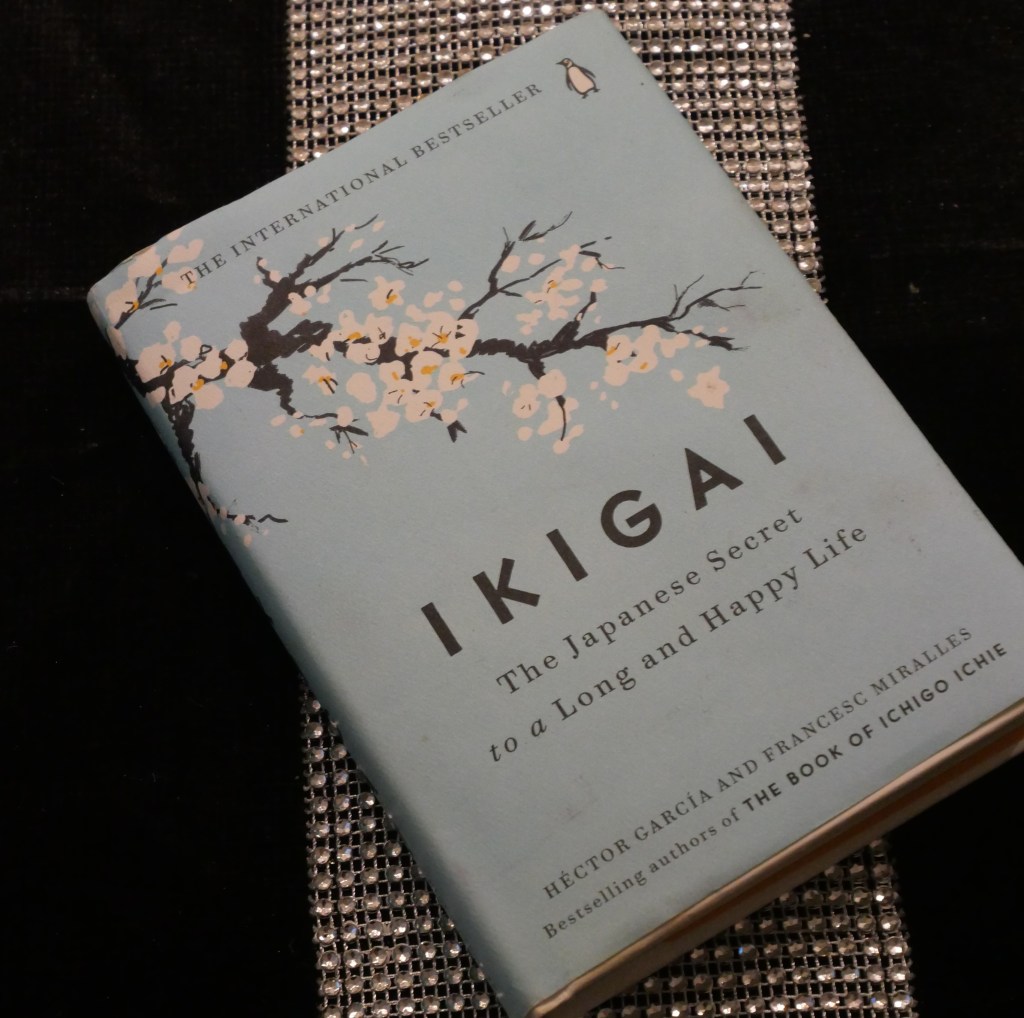
Book Review: 100 Ways To Motivate Others

Book: 100 Ways To Motivate Others, How Great Leaders Can Produce Insane Results Without Driving People Crazy

Author: Steve Chandler and Scott Richardson

Key message of the Book: 100 Ways To Motivate Others is a synthesis of leadership traits and principles that a leader ought to exhibit in order to motivate others to achieve desired results. A practical guide in leadership, the book includes powerful and condensed insights with truths and myths about motivation and leadership, as well as many inspiring real-life stories and anecdotes. A leader who motivates others is not a leader who controls them, but one who knows himself/herself well and acts intentionally, in a way that is inspiring to these around him/her.

For instance, great leaders who motivate others are these who:

  • understand the need for providing real and regular feedback, and the power of thoughts and of continuous learning;
  • know that self-discipline and focus are to be learned like a foreign language and are not innate traits;
  • get input from their people;
  • don’t confuse stressing with caring; are “ruthlessly” optimistic and replace worry with action;
  • manage agreements and not people;
  • don’t “focus first on trying to be liked” but “on the practices and communications that lead to being respected”;
  • don’t try to be right all the time;
  • teach others to embrace challenges and changes as they arise, to master problem-solving and do what’s required.

One specific learning from the book:  It can be draining to have pessimists in a team – these individuals who seem to perpetually complain and have a negative attitude about everything. To motivate such individuals is to inspire them. The real work is not on the pessimists to change but on the leaders to seek ways to become an inspirational figure in a pessimist’s life. Inspiration is more powerful than constructive criticism because “victims and pessimists hate to be fixed, hate to be corrected, and even hate to be taught things, because their whole position is defensive.”

Another specific learning is about inspiring “inner stability” for others even under circumstances that are always changing. People generally yearn for stability and leaders can offer that, not by looking outside themselves but by finding stability and calm within themselves in the “inner enthusiasm for work“. Doing your best as a leader every single day is a source of stability even when external changes occur: “Does anything motivate people more than to be in the presence of a leader with inner stability and self-esteem?”

One favorite quote from the book: “Masterful, artful, spirited leadership has ways of bringing out the best and the highest expression of self-esteem in others”.

One favorite passage from the book:

“You will really enjoy motivating others if you start thinking of your life as a mathematical equation. […]

Here it is:

When you are positive (picturing the math sign: +) you add something to any conversation and meeting you are part of. That’s what being positive does, it adds.

When you are negative (-), you substract something from the conversation, the meeting, or the relationship you are a part of. If you are negative enough times, you substract so much from the relationship that there is no more relationship left.

When you are a positive leader with positive thoughts about the future and the people you lead, you add something to every person you talk to.”

Steve Chandler & Scott Richardson, 100 Ways To Motivate Others

Growth Is A Journey book review is intended to represent 1-2 key nuggets of insights from the book, with an invitation for readers to discover the book in its entirety.

Book Club: Small Habits Big Changes

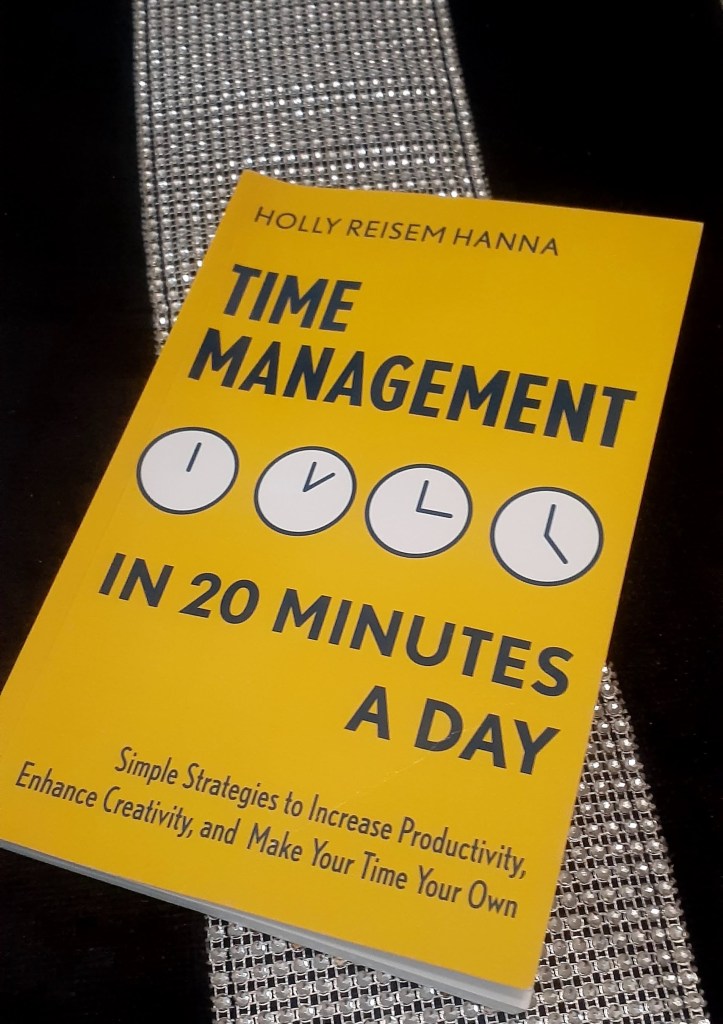
Book: Small Habits Big Changes, How the Tiniest Steps Lead to a Happier, Healthier You

Author: Steven Handel https://stevenhandel.com

Key message of the Book: Transformational life changes and long-term improvements are achieved via the collection of small habits we integrate into our daily routines. This is because big changes never or rarely happen overnight; as per the author, changes are “often slow and gradual” and dependent on our daily actions: “Often, it’s not any single act that will completely change your life, but the consistency and the persistence of a habit that leads to real consequences over time.”

Big SMART (Specific, Measurable, Achievable, Relevant, Time-Bound) goals are a valuable way to push us forward, but they become a reality or a means for transformation when they are accompanied by specific tactics, systems and routines … which enable us to get from state “A” to state “B” on the long-term.

As part of this framework, the author describes several essentials we ought to pay attention to, create and re-create in our lives – on a regular basis – for self-growth and self-improvement. These include (1) what morning and nighttime routines we develop; (2) the basics of sleep, diet and exercise, which are critical for sustaining positive habits and good performance, and (3) the systems we put in place, which can turn into a lifestyle, if pursued consistently.

One specific learning from the book:  In the self-improvement literature, there is a lot of talk about “going outside of our comfort zone” – by pushing our boundaries and conquering our fears. That is good advice; however, it does not mean that “staying inside our comfort zone” is always bad. The author makes the point that going outside our comfort zones often times comes with costs and stress, and it is equally important to give ourselves “permission to take it easy and “chill” out”. In other words, is it important to understand what activities enable us to relax and recharge, especially after sustained levels of effort. Building relaxation into our days and lives is as important as hard work and building disciplines and systems for focused efforts.

One favorite quote from the book: “Think Big, Act Small”.

One favorite passage from the book:

“Our patience is strongest when we have a healthy expectation of future difficulties and obstacles. Get ready to be challenged. Get ready to make mistakes. Get ready to fail. And make sure you are ready to keep moving forward no matter what happens.”

Steven Handel, Author of Small Habits Big Changes

Growth Is A Journey book review is intended to represent 1-2 key nuggets of insights from the book, with an invitation for readers to discover the book in its entirety.

Productivity Tips For A Lifetime

World-class athletes and successful entrepreneurs easily come to mind when thinking high performance and that is rightly so. However, the reality is that we are not all to be elite athletes, scientists and Nobel Prize recipients…. High performance can be defined as an above-average ability to create results with the resources, skills and talents at hand. Irrespective of what these results look like – e.g. gold medal at the Olympics or a successful swim meet – there is a pattern that can be observed across individuals sharing this way of living and being.

While there is a lot to write and say about high performance and productivity, the following ingredients stand out for high performers:

Clarity in what they want to achieve: Clear goals are the starting point for high performance. High performers know that it is important to be clear on what their goals are, and if they find themselves unclear about their long-term aspirations, they start with short-term goals. They think in terms of what is it that they want to change, improve, or do over the next few months or year(s)… Or they simply think about their top priorities as an initial set of goals. Ultimately, high performers understand that goals drive priorities and that’s when higher levels of performance start. High performers also understand the pitfall of attempting to go for too many goals at the same time- which is a set-up for feeling overwhelmed or for giving up on goals.

Drive and determination: High-performers are driven individuals. They like to challenge themselves, keep growing in what they do or areas of interest to them, and hold themselves to high standards – not for the sake of fame, acolytes, a promotion or more financial wealth, but because they are intrinsically pulled to reach new horizons and their potentials. Their determination might be anchored in a genuine desire to help others around them or achieve a particular outcome that would make a difference (e.g. a cause); in some cases, this desire came about after a negative experience such as a dysfunctional environment or a traumatic event. Even if such past experience was and might remain a source of hurt or grief, it is the experience in itself that has transformed these individuals, acting as a catalyst for extraordinary levels of determination and strength, and for finding purpose. It is what psychologists refer to post-traumatic growth. But not all high performers have trauma in their lives. High performers have drive and determination, fueled by the understanding of and acting upon their unique set of values: e.g. if someone values providing support to unprivileged kids in under-developed countries for instance, his or her efforts will be fueled by this desire.

– Focus and removal of distractions: High performers know they need focus. Anecdotally, as a high performer myself, I recall how as a kid excelling in school, my parents always told me to focus on school, while they took care of the rest. This might seem mundane; but they did that with a lot of sacrifices. That clear direction – to focus on school at the time- built a habit in me to stay focused on and be responsible for my number one goal. High performers also understand very well that one focus killer is multitasking, a performance myth over the last decade. Studies show that tasks take in fact longer when multitasking and ultimately performance is hurt. High performers are also not shy about shunning social media, another enemy of focus, or removing distractions in their environments. For instance, they understand that social media creates a risk of mindless scrolling, brain fog, and zapped energy levels (same as lack of sleep!) and might revert more often to social media breaks as a way to re-energize, be more present and gain some time and energy back for their own goals and the relationships they want to prioritize outside a virtual environment.

– Planning systems that lead to new disciplines and tactics: High performers know that having a good memory and to-do lists is helpful but not an enabler of sustained high performance – sooner or later, such system fails or overwhelms. High performers are typically using planning tools (e.g. planners) to enhance performance via the regular exercise of writing down specific goals and targets for each day, week, month and year, with thought-through tactics and timelines for achieving them. Planners also typically include a regular progress review which helps to identify challenges, breaking points, areas of concern and improvement, as well as to experiment with new disciplines and tactics. High performers understand two big realities. First, high performance cannot be achieved overnight. Second, good habits, disciplines and tactics have a compounding effect (e.g. reading 20 minutes to a young kid translate into 121 hours or 5 full days of reading in one year). Likewise, negative habits compound with higher costs over time including negative outcomes such as disease, addictions or depression.

– Self-care and fun: High-performers are not overworked and stressed out, although there are certainly blind spots with being a doer or times when these feelings might be present. High performers understand that sustained high performance requires rest and relaxation, and having fun … they are, after all, human beings and not human doers. A common denominator for high performers is that they are finding or attempting to find genuine ways to take care of their souls, minds and bodies. For some, fun might look like a party with friends, for others, it is reading a book or going on a hike. And besides understanding what their self-care and fun needs really are (and experimenting with that), high performers are also carving out this area in their planning and strategy.

High performance is not an ability we are born with, but one we need to use and strengthen … just as a muscle. It can start with the framework above and continue with refining a high performance recipe that works for you, some days with more determination, other days with more disciplining….

Ultimately, the conduit for high performance is the understanding that we are responsible for our own actions and that, as per actor and comedian, Julia Louis-Dreyfus,

“The best way to make a difference in the world is to start by making a difference in your own life.”

The Waimea Canyon, Kauai, Hawaii

Happy New Year!

2022 is coming to a close and whether you are a fan or not of new year’s resolutions, vision boards, and alike, a minimum of reflection and introspection is due as part of our evolutionary human nature.

So here is my brief reflection for 2022.

2022 wasn’t an extraordinary year by external feats. On the surface, it was an ordinary year at the risk of calling it quite plain – same jobs, same kids routines, some local or regional outings and some new and old friendships. When I count some heartbreak and COVID, the balance could be negative although that is an exaggeration.

However, upon more careful reflection, 2022 was a gift in its ordinality for two main reasons. First, anything that becomes ordinary in our days and lives constitutes at the end the foundation which anchors us during storms of life and propels us for growth, new experiences, breakthroughs and success. Second, without the distractions of the extraordinary, the ordinary takes us on a journey of constant appreciation and examination of what we hold dear in our lives, and what serves and energizes us in the realm of “ordinary” things, people and experiences.

While I envision 2023 as an extraordinary year with many extraordinary experiences and success, 2022 showed me the gift of an “ordinary” year.

Therefore, whether our 2023 will range on the spectrum of ordinary or extraordinary, or somewhere in between, my hope is that every one of us will see the gift in it.

There are two sayings that I love for the beginning of a new year:

  • “Judge each day not by the harvest you reap but by the seeds you plant”
  • “Tomorrow is the first blank page of a 365-page book. Write a good one.” 

Happy New Year!

Life Lessons

I love birthdays and new years because they are packed with anticipation, excitement and hope for what’s ahead.

Entering a new decade of life calls for a longer reflection. So what have the last decade and life to date taught me the most?

Impossible is possible. I am not referring to physical miracles but to the fact that there is so much to give and receive in this journey of life, decade after decade, some of which not even part of our wildest dreams or design of life. This is because life has an embedded potential to get transformed and grow beyond our expectations and imaginations. This is why growth is a journey which often times starts with us taking an initial step, oblivious to the unimaginable transformations, breakthroughs and growth that can be found on the other side of taking action.

Challenges and negative emotions are a part of life. As much as we long for perpetual happiness, life happens and with it, challenges, frustrations, grief, anger, and sadness. The more we try to ignore or dismiss our negative feelings and experiences, the harder it becomes to go through them and emerge stronger as result of these feelings or experiences. In fact, looking back at defining moments in my life, some are loaded with heartache. We cannot control what life throws at us, but we can use these experiences as catalyst for growth, to shape our identity and bring out the essence of who we are and who we can become.

Love and self-love are mandatory ingredients for walking the valleys and mountains of life and what makes us human. Irrespective of our starting points and experiences in life, love and self-love are a conduit for fulfillment. This can be the experience of becoming a parent which from a day to another expands the definition of unconditional love in a most profound way. Or simply the experience of forgiving one self or another person which might require us to confront some of our past experiences, limiting beliefs or mistruths that no longer serve us. And when self love or love for another is found again, giving and receiving love are an act of genuine being, which helps bring the best in ourselves and these around us.

Environment matters. What and who we surround ourselves with have a strong influence on our thinking and actions. And our thoughts and actions ultimately define our characters and lives. We might not always be at liberty to choose our environments, but we can aim to have the discernment to amplify the positive encounters, experiences and relationships in our lives. It can be the brief interaction with a stranger who offers us a compliment on a day we feel lost. Or these friends who seem to always know to share a word of encouragement or wisdom when we most need it. Or these individuals in our lives who are a source of challenge when we might find ourselves a little too complacent or unaware of the need to grow.

And no matter what your own life reflections might be, there is one truth that applies to us all as per an often quoted saying:today is the first day of the rest of your life“. Make it your day…!

Book Club – The Gap and The Gain

Book: The High Achievers’Guide To Happiness, Confidence, And Success By Dan Sullivan, founder of Strategic Coach with Dr. Benjamin Hardy

Key message of the Book: When it relates to our goals and happiness, there are two ways of being – in the gap or in the gain – based on what our reference point is.

  • If we measure ourselves against an ideal, needs and wants, we function from a state of gap, lack and frustration.
  • If we measure ourselves against our starting point, we appreciate our progress and accomplishments, which puts us in a state of gain.

When we are in the gain, we are more likely to extract uses, lessons, and purposes from our experiences, in other words, we are turning our life experiences into either wins or learning. This type of living becomes a catalyst for more impactful and meaningful GAINS.  To practice our “GAIN” muscles, we need to build the habit of journaling and measuring our top gains, as well as defining what our desired gains for the future are.

One specific learning from the book: 

  • Personal development: The self-determination theory says that a crucial aspect of motivation and thriving is autonomy: “The more independence and ownership you take for yourself, your circumstances and your life, the more self-determined you will be.” In order to become self-determined and intrinsically motivated, we need to define our “success criteria”, our “I’m being happy/successful when” versus “I will be happy/successful when…”
  • Leadership development: We can help others see and appreciate their own gains by (1) asking them about their recent progress and (2) pointing out to them their progress. When we are in a difficult situation, we can help others find the GAIN with questions like: “What is the GAIN in this?” Or “How can we turn this into a GAIN?”.

Favorite quote from the book: Happiness is a byproduct of realizing that you are the destination”.

Additional resourcesHome – Gap And The Gain Book (gapandgainbook.com)

Growth Is A Journey book review is intended to represent 1-2 key nuggets of insights from the book, with an invitation for readers to discover the book in its entirety.

Truth Or Dare

From time to time, a few moments before my son’s eyelids close for a good night sleep, he challenges me to “Truth or Dare”. It was one of these moments that got me thinking how powerful this challenge could be in a grown-ups world.

Imagine “truth or dare” applied vis-a-vis our actions, relationships, emotions,…

Imagine:

Truth in acknowledging our emotions and feelings, sometimes by finally discerning through what our bodies and minds might be telling us.

Truth in acknowledging our shortcomings, as well as of those around us, without compromising nor losing compassion or the will to find a way to make things better or make ourselves better.

Daring to act on that gut feeling even when there seems to be so many reasons for not following through with it; or daring to take that first step even if the full staircase is out of sight.

Daring to listen to who we are, even if that means experimenting with actions and reactions to get to the bottom of our true selves.

Daring to live life fully, during both valleys and peaks, by striving to grow from each encounter and experience of life, and perfecting the recipe of love for life, oneself, and those around us.

“Truth or dare” because today is the day that is given to us to break free from our old selves and grow closer to who we are meant to become.

Welcome Hiatus

It has been several months since my last post. A hiatus wasn’t in my plan, but it came about with the inability to find time for my creative self initially week after week, then month after month. It is not in my high-performer nature to lack intention, but this unintended break has taught me to let myself experience life in a more spontaneous and compassionate way.

Welcome hiatus. Why?

It takes self-compassion and love to allow ourselves to sit with our emotions and needs, and quiet down voices that no longer serve us.

It takes self-awareness to know that we might be drifting away from something or someone and stay in peace about it.

It takes reconnecting with who we are and responding to life, people and events in sync and acceptance of ourselves, our values and boundaries.

It takes love for ourselves and/or others to prioritize what the real needs might be, even if or even when it takes a journey of discovery, mistakes, victories, disappointments, and new excitement.

When we pause, we allow ourselves to reflect and course-correct. When we pause, we take ownership of our own lives and actions. When we pause, we reconnect with the better parts of ourselves and our humanity.

A hiatus thus becomes a stop for purposeful living.

Welcome hiatus, welcome life.

Guest Article: Why hope matters now more than ever

By Guest Writer: Dr. James K. Dittmar

Dr. James K. Dittmar is the founder, President, and CEO of 3Rivers Leadership Institute.  Utilizing the insights gained for over the past 30 years as a leader, teacher and trainer of working professionals, Dr. Dittmar creates learning experiences that are exceptional in content and that are interactive and engaging in process. Dr. Dittmar is also the co-author of a recently published book called A Leadership Carol: A Classic Tale for Modern Leader in which a LEADERS Model for servant leadership is explained — L for Leadership; E for Ethics; A for Alignment; D for Decision-Making; E for Engagement; R for Resilience; and S for Stewardship. 

The last several years have been times of unprecedented challenges for all of us. Before the COVID-19 pandemic, we could not have imagined how our lives would change, how our work lives would be impacted and the toll it would exact on so many families.

It’s not surprising, then, that hope is often in short supply these days. Recent research supports this observation. In one study, at least 50% of participants had feelings of hopelessness within the past month. That’s not a good statistic, particularly at a time when being hopeful is a necessity for coping with the present and future.

More so for leaders, exhibiting hope and creating hopeful organizations is a key responsibility as they navigate the uncertain waters of today’s business environment. Let me share some thoughts with you about the nature of hope and why it can be so beneficial for both individuals and organizations.

Hope is the belief that you can imagine your future and actually achieve it. It’s not some sort of idealistic, wishful thinking in which you sit back and wait to see what happens. Hope is active. It means taking responsibility for what you wish to achieve and planning the way to get there. Hope is a state of being and therefore can be developed in each of us.

Hope is very goal-oriented. Being hopeful means you set specific goals for your future. You are motivated and energized about your future. However, you don’t stop there. You also believe you have the wherewithal to make your future a reality. That’s not passive, wishful thinking. Hope is an active process. It takes both the “will” and the “way” to be hopeful.

You know the adage about seeing the glass as “half full.” The hopeful person sees that glass as half full and then figures out how to make it full.

Leaders must exude hope, not only for themselves but also for those with whom they work. Organizations in which leaders are hopeful and create hopeful work environments enjoy such benefits as higher employee retention, greater levels of satisfaction and engagement, and increased profitability.

Hopeful leaders, much like servant leaders, help remove the obstacles that get in the way of employees achieving their work goals. Such leaders find ways of intrinsically motivating them to achieve their goals through praise, by providing opportunities for growth and professional development, and by involving employees in decision-making processes.

Hopeful leaders continuously encourage employees by reminding them how their work contributes to achieving the organization’s vision and mission. Thus, they generate hope in their co-workers, believing that the future of the organization is attainable and that their work has meaning and purpose.

As I stated earlier, hope can be developed. That development, though, just like hope itself, is not passive. It just doesn’t “happen.” It includes practice, practice and more practice. You have to work on being hopeful. We all have struggled at times with being hopeful.  Significant life and organizational challenges can easily derail our desire to remain hopeful during such difficult times.

In response, we need to see these challenges as events. Events that won’t last forever, events that can be overcome, and events that don’t have to permanently alter our future. Sometimes, that’s not easy to do when we are in the midst of those situations.

In addition, there are many great resources available online that can help us become hopeful. Check them out, and see whether they can be useful to you.

We all need to be hopeful — now more than ever.

https://jimdittmar.com/

Article originally published here.

(Article reposted with Dr. James K. Dittmar’s permission)

The Surprising Power Of Decluttering

A 20-day challenge to “reflect, recenter and refuel” which started last October could be well thought of as a fiasco as I have yet to finalize it. Five days into the challenge, the “de-clutter your bedroom or office” turned from a one-day undertaking to well over two months of deep decluttering. From room to room and closet to closet, I’ve ended up disposing of a lot of things and leaving a good amount of order behind.

So what has the act of decluttering taught me to the point of making it the topic of my writing today?

  • First, the hoarding of a number of papers, printed reports and articles over the last several years made me realize how many good intentions we have day after day – e.g. I will read that report, I will take that class, I will make the phone call – which are not followed through. We might be too busy, we might be unrealistic in overly ambitious expectations, or we might simply fail to act. So the lesson of bags of old papers that are too outdated to read today showed me how important it is to follow through. Once we have a vision of what we need to do or accomplish, today is the day to embrace that dream, plan and implement. Procrastination and lack of determination and decisiveness don’t serve us. That’s the bottom line. Failure to act today is missing on the chance of being who we could be tomorrow and in the future.

  • Second, the act of decluttering led to clarity and some amount of peace. It felt like a new start. Making space physically and mentally brought clarity on what I had to discard and why, as well as on what I needed to do next and why. Decluttering forced me to take stock of what’s old and not needed any longer, while making a conscious decision on what items I wanted to hold on to, or which could be added in the future – both in my professional and personal lives. To some extent, decluttering was taking stock of who I have become and of my values, and deciding what still fits me or not, and what still serves me or not,….

  • Third, decluttering helped me relive some emotions… the old dress I wore at a wedding, old birthday cards received from family and friends, my kids ‘artwork from kindergarten… the activity was a sweet ride down the memory lane over the span of several years…. Decluttering became a good reminder of how important it is to keep the memories of meaningful experiences alive, and to honor the journey.

Decluttering -be it of material items or of mental thoughts- has the powerful effect of bringing clarity, order, and a renewed motivation and determination to do more and be more.

And if you don’t have days, weeks or months to spend on decluttering, then think of proxy decluttering. For instance:

  • What is the one thing you need to do today or what is the one thing (or many) that can in fact be left undone today?
  • What is the one thought to keep today and the one (or many) thoughts to discard?
  • What is the one action to plan for today and the one (or many) to put on hold?

As Gary Keller noted in #1 Wall Street Journal bestseller “The One Thing”: “The ONE Thing sits at the heart of success and is the starting point for achieving extraordinary results”.

Lessons Of Another Year

As 2021 comes to an end, this is a time to reflect upon the events of the year with its highlights, lows, successes and lessons learned. We owe this reflection to ourselves, even if sometimes all we want to do is burry the negative in the past. Reflecting on the positive – the wins – has the added benefit of anchoring our lives into a soil of increased confidence and hope. And who doesn’t need such anchor when we face the unknown of a new year….with the COVID pandemic still threatening lives, communities and economies.

Perhaps not unsurprisingly, some lessons learned in 2021 center around change:

  • Change happens if we take responsibility for it. Whatever changes we need or desire start with us committing to them and taking the time and resources required for such changes. It could be as simple as planning more family outings – which in turn will result in more quality time and stronger family bonds. In other words, fun times rarely happen by accident or by consuming social media feeds, we are the main characters of our lives and taking the driver’s seat is the surest way to reach our destination. Any change in any area of life starts with clarity about what we want or need to change, and taking ownership for envisioning, planning and executing on the desired outcome.

  • Change rarely happens overnight. Momentum is built over time by being consistent in our behaviors and pursuing the actions we need to take in order to bring the desired change or progress. At some point or for particular changes, the momentum is so strong that the transformation becomes obvious to ourselves or others around us. And in this process of changing, we might find new cheerleaders and connections, while, at times, partying ways with some old ones.

  • Change is dynamic and ultimately a perpetual state. There are always changes to aspire to, or that become obvious needs in our lives. We are going from one destination to another, from one life transition to another, from one unforeseen event to another, from one emotion to another … Change is a perpetual condition of life. Building the life skills of navigating and adapting to change and thriving under an always-changing condition of life are paramount to moving forward in life.

  • Change cannot be rushed. Irrespective of how much we wish for something and do all the right things, some changes can only happen after some pre-requisite lessons, conditions or events have occurred. Passage of time or going through a particular life experience (e.g. a relationship breaking apart, a career or house move) are at times the only bridge to a particular change or outcome. Learning to discern when not to force a change versus forging ahead full speed, as well as learning to accept some life changes and events that are out of our control, both are a powerful catalyst for becoming who we are meant to be and growing into the best version of ourselves.

  • Some needed changes are often linked to our strongest (oftentimes negative) emotions. If we pay attention to and lean into what our strongest emotions are telling us, we often times identify what the biggest changes should be for us to break through from what might be holding us back or away from our potential and usually a happier life. For instance, anger is often the result of holding back forgiveness. If we look deep inside and embrace that particular emotion, we receive a key to change – e.g. make peace with the past or with a particular person- which typically involves some level of healing and growing.

  • Change provides for an up-to-date roadmap to our priorities, reflective of our values. The more we are in touch with our values, the more we can consciously prioritize required changes to live in alignment with such values. Change becomes a constant act of accountability and alignment, which feeds into a loop that clarifies and preserves our values and priorities. Sometimes it takes hardship or a crisis to understand the importance of a particular value, but once understood, we strive to make a change and build a system, habits and plans around it.

2021 has been a gift unwrapping the powerful impact of continued change. The grace of change comes when we continue to grow and be transformed into a better version of ourselves, one which is truer to our essence and values.

May life-given and purpose-driven change be with us all in the new year!